July 31, 2026
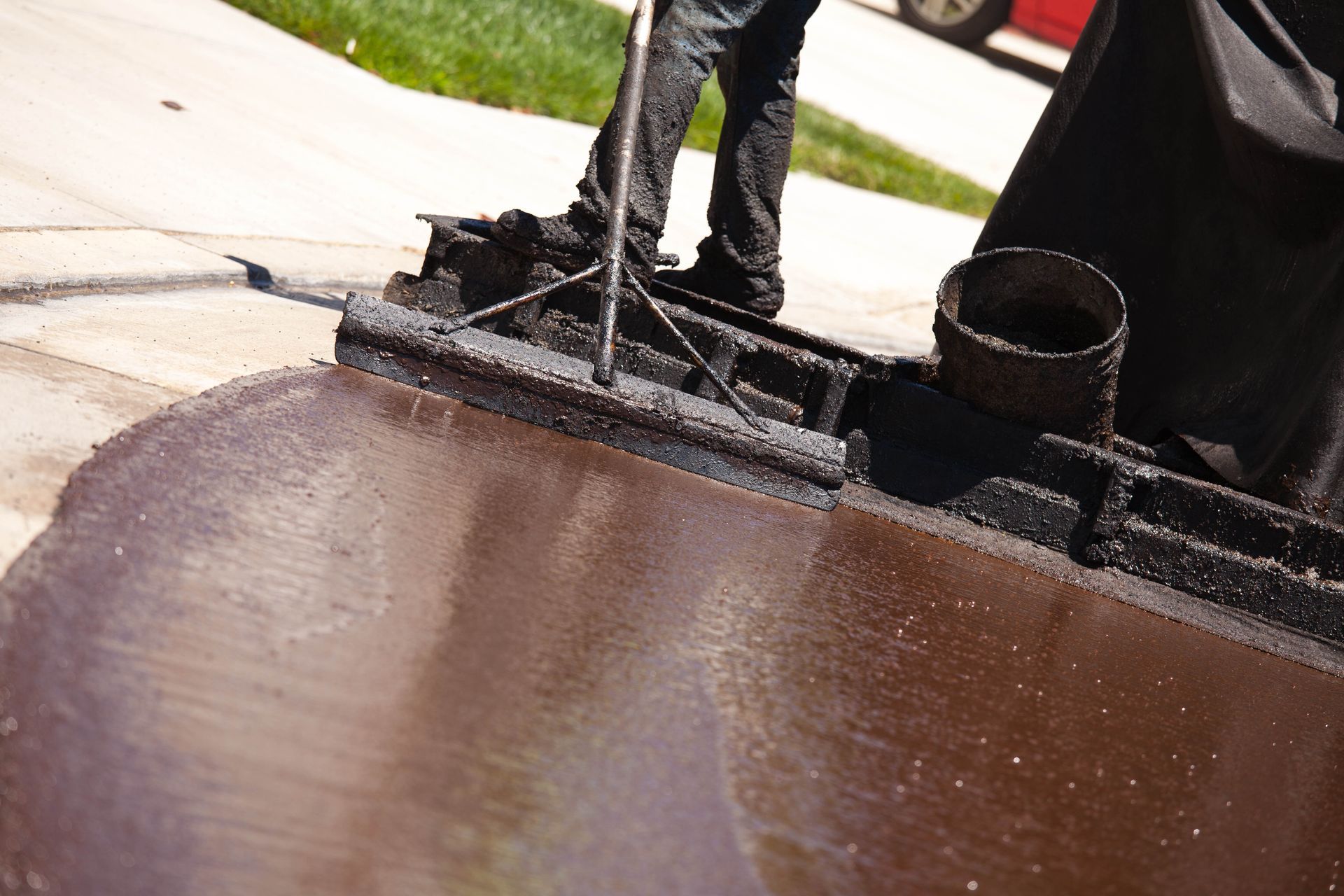
A well-sealed asphalt driveway offers homeowners genuine protection against the elements, but many people find themselves genuinely uncertain about exactly how often this maintenance task should actually happen to provide meaningful, ongoing protection. Sealing too infrequently leaves your driveway vulnerable to water damage, cracking, and premature deterioration, while sealing unnecessarily often wastes money without providing proportional additional benefit. Understanding the genuine factors that influence proper sealing frequency helps homeowners develop a maintenance schedule that authentically protects their investment without unnecessary expense. This ongoing market growth reflects just how many homeowners continue prioritizing this particular maintenance practice for their properties. According to Business Research Insights, the global driveway sealers market was estimated at $43.46 billion in 2024, and is set to expand to $45.85 billion by 2033, illustrating just how significant and steadily growing this maintenance category remains for homeowners nationwide. Below, we'll explore how often you genuinely need driveway sealing and the factors that influence this important maintenance timeline.
Understanding the General Recommended Timeframe
Most driveway sealing professionals generally recommend reapplying sealant every two to three years, though this timeframe can genuinely vary based on several specific factors unique to your particular driveway and local conditions. This general guideline provides homeowners with a helpful starting point for planning their maintenance schedule, though it shouldn't be treated as an absolute, unchanging rule regardless of your driveway's actual condition. Regular visual inspection between these scheduled sealing appointments helps homeowners identify whether their specific driveway might need attention sooner than this general timeframe suggests. Working with an experienced driveway sealing professional helps homeowners develop a more personalized maintenance schedule genuinely suited to their specific asphalt surface and local climate conditions. This baseline recommendation offers a useful reference point while still allowing for the individual variation that genuinely affects each driveway's specific sealing needs.
Considering Your Local Climate and Weather Exposure
Regional climate conditions significantly influence how frequently a driveway genuinely needs resealing, since areas experiencing harsh winters with significant freeze-thaw cycles typically place more stress on asphalt surfaces compared to more moderate climates. Properties in regions with intense summer heat and prolonged UV exposure also tend to experience faster sealant breakdown, since these conditions accelerate the natural degradation process that eventually necessitates reapplication. Homeowners in particularly harsh climate zones should generally lean toward the more frequent end of typical sealing recommendations, while those in milder climates might reasonably stretch toward the longer end of this general timeframe. A driveway sealing professional familiar with your specific regional climate can provide more tailored guidance based on how local weather patterns genuinely affect asphalt longevity in your particular area. This climate consideration represents one of the most significant factors influencing how often any individual driveway genuinely requires this protective maintenance.
Evaluating Your Driveway's Traffic and Usage Patterns
The amount and type of traffic your driveway regularly experiences significantly impacts how quickly the protective sealant naturally wears down, meaning heavily used driveways typically require more frequent resealing compared to those experiencing lighter, more occasional use. Driveways regularly accommodating heavier vehicles, such as RVs or work trucks, tend to experience faster sealant wear given the additional weight and stress these vehicles place on the surface. Homeowners should honestly assess their driveway's actual usage patterns when planning their sealing schedule, recognizing that generic timeframe recommendations might not perfectly suit their specific situation given their household's particular vehicle usage. This practical consideration helps homeowners develop a genuinely appropriate maintenance schedule rather than simply following generic guidelines that don't account for their driveway's actual, real-world usage. Understanding this traffic-related wear factor represents an important piece of developing a truly personalized driveway sealing timeline.
Recognizing Visual Signs That Sealing Is Needed
Beyond following general timeframe guidelines, homeowners should pay attention to specific visual signs indicating their driveway genuinely needs resealing, regardless of exactly how much time has elapsed since the previous application. These signs include a faded, grayish appearance replacing the deep black color fresh sealant typically provides, along with water that no longer beads on the surface but instead appears to soak directly into the asphalt. Small surface cracks beginning to appear also often indicate that existing sealant protection has diminished to the point where the underlying asphalt has become vulnerable to water infiltration. Recognizing these visual cues helps homeowners respond to their driveway's actual condition rather than rigidly adhering to a calendar-based schedule that might not reflect genuine current need. A driveway sealing professional can help homeowners learn to recognize these specific warning signs, empowering them to make more informed decisions about timing their next application.
Understanding How Driveway Age Affects Sealing Frequency
Newer asphalt driveways typically require a waiting period, often around six to twelve months, before their first sealing application, allowing the asphalt to properly cure before adding this protective layer. Once this initial curing period passes and the first sealing occurs, older, more established driveways sometimes require slightly more frequent attention compared to relatively newer surfaces, since accumulated wear and previous exposure can affect how well the asphalt retains subsequent sealant applications. Understanding this age-related consideration helps homeowners develop realistic expectations for their specific driveway's needs throughout its overall lifespan, recognizing that maintenance requirements can shift somewhat as the surface ages. A driveway sealing professional can assess your specific driveway's age and condition, providing more tailored guidance about how this factor might influence your particular maintenance timeline. This age-related consideration adds an important additional dimension to developing a genuinely appropriate, personalized sealing schedule.
Considering the Cost Benefits of Consistent Sealing
Maintaining a consistent driveway sealing schedule, rather than waiting until obvious damage appears, genuinely helps homeowners avoid the significantly higher costs associated with major crack repair or premature driveway replacement that neglected maintenance often eventually requires. This preventive approach represents a considerably more cost-effective long-term strategy compared to the reactive cycle of addressing significant damage only after it has already developed, since sealing costs remain relatively modest compared to more extensive repair work. Homeowners who prioritize this consistent maintenance schedule typically find their driveways last considerably longer while requiring less costly intervention throughout their overall lifespan. A driveway sealing professional can help homeowners understand the genuine long-term financial value this regular maintenance provides, helping justify the relatively modest ongoing investment compared to the alternative costs of neglect. This cost consideration reinforces why maintaining a consistent, appropriate sealing schedule genuinely serves homeowners' long-term financial interests.
Working With Professionals for Personalized Guidance
Given how many individual factors genuinely influence appropriate sealing frequency, working with an experienced driveway sealing professional provides invaluable, personalized guidance rather than relying solely on generic online recommendations that might not account for your specific situation. These professionals can properly assess your driveway's current condition, local climate factors, and usage patterns, developing a genuinely tailored maintenance recommendation specific to your particular circumstances. This professional assessment helps ensure you're neither wasting money on unnecessarily frequent sealing nor risking premature deterioration by waiting too long between applications. Establishing an ongoing relationship with a trusted provider also means you'll have knowledgeable support readily available whenever questions about your driveway's condition or maintenance needs arise. This professional partnership represents the most reliable way to develop a genuinely appropriate, personalized driveway sealing schedule for your specific property.
At M-B Paving & Sealing Inc, we understand how much genuine value proper, appropriately timed driveway sealing provides, and we're committed to helping homeowners develop a maintenance schedule that authentically protects their investment without unnecessary expense. Our experienced team assesses each driveway's specific condition, climate exposure, and usage patterns, providing honest, personalized recommendations rather than generic, one-size-fits-all guidance. We believe that proactive, appropriately timed maintenance represents one of the smartest investments homeowners can make in protecting their driveway's long-term durability and appearance. Whether you're due for your regular sealing appointment or unsure whether your driveway needs attention, our knowledgeable team is here to help. If you're ready to protect your investment with professional
driveway sealing, contact M-B Paving & Sealing Inc today to schedule your consultation.